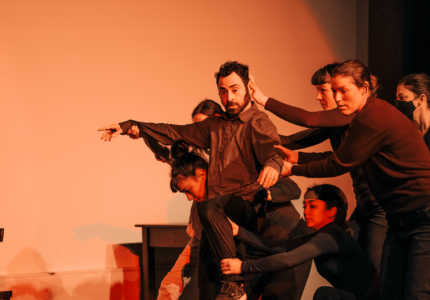
Double bill
Achraf El Abed + Kaia Portner
ÉDIFICE WILDER | Espace Orange
September 10, 2026 - 7:30pm
September 11 & 12, 2026 - 7pm
September 13, 2026 - 4pm
Discussion with the artists on September 11
16 years and over
WARNING: This show contains stroboscopic effects and incense.
Season launch on Thursday, September 10 🥳
The cocktail reception starts at 5pm, with artists Fanny Bélanger-Poulin, Do Phan Hoi and Diana León talking about excess as a creative act, as a social and political practice. Transcending disciplinary boundaries. Stepping beyond the stage to reach out to different communities, to reinvent our languages. Stepping beyond to create more space (for ourselves), to break down boundaries. Going beyond our roles, the limits we impose on ourselves, so that excess becomes a political act. Being excessive to inhabit our bodies, our stages, our world in a different way.
- Free drink and snacks
- Presentation of the 2026-2027 season by the curators
- Surprises
Open to all: RSVP
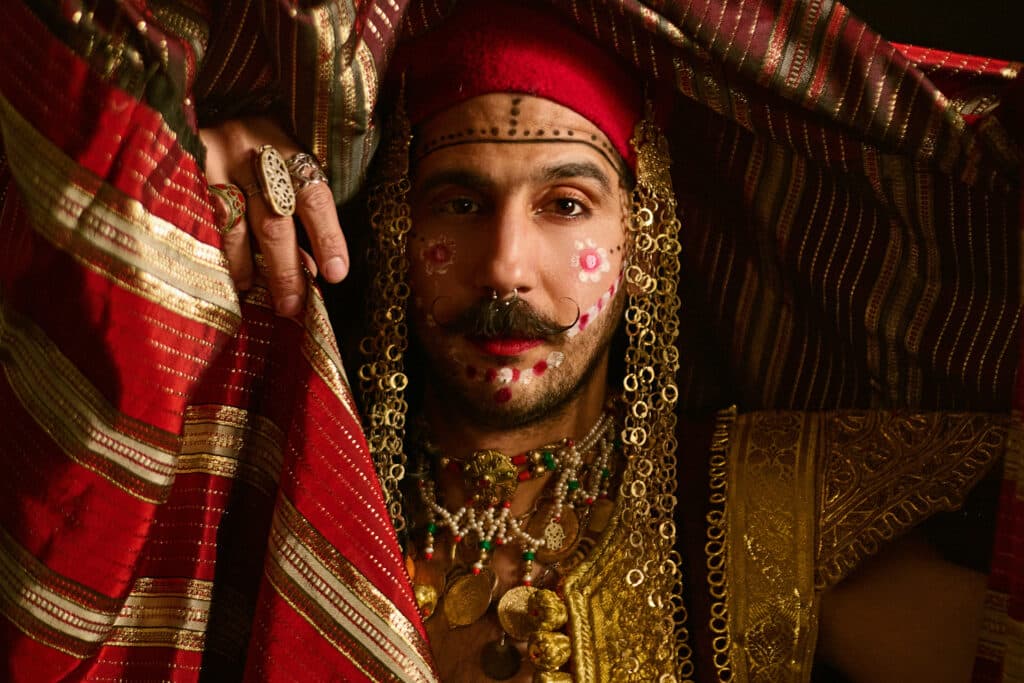
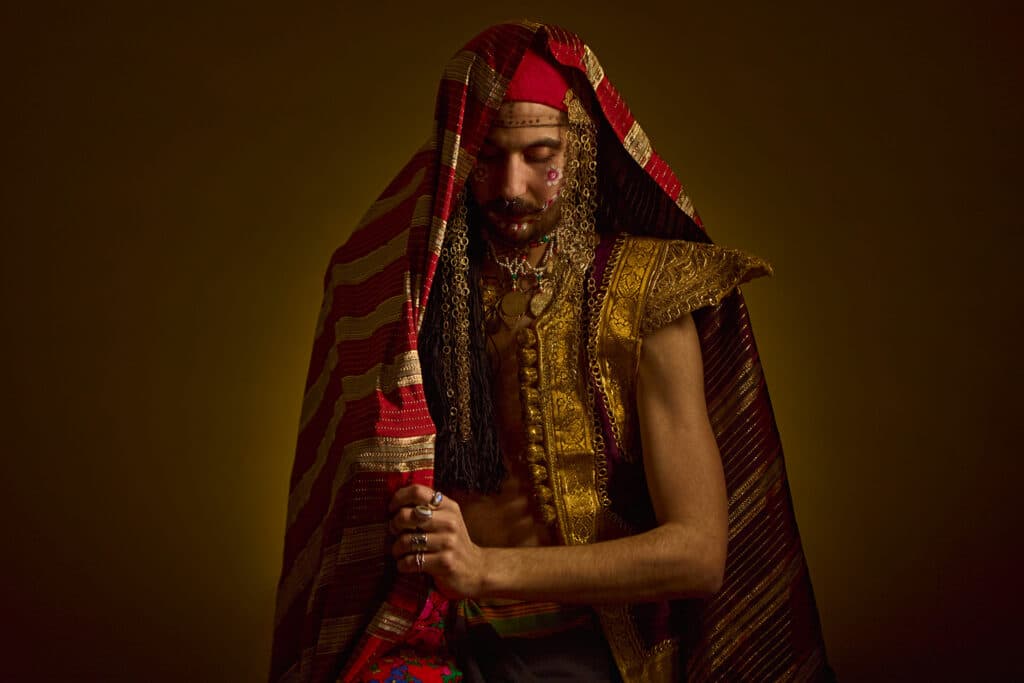
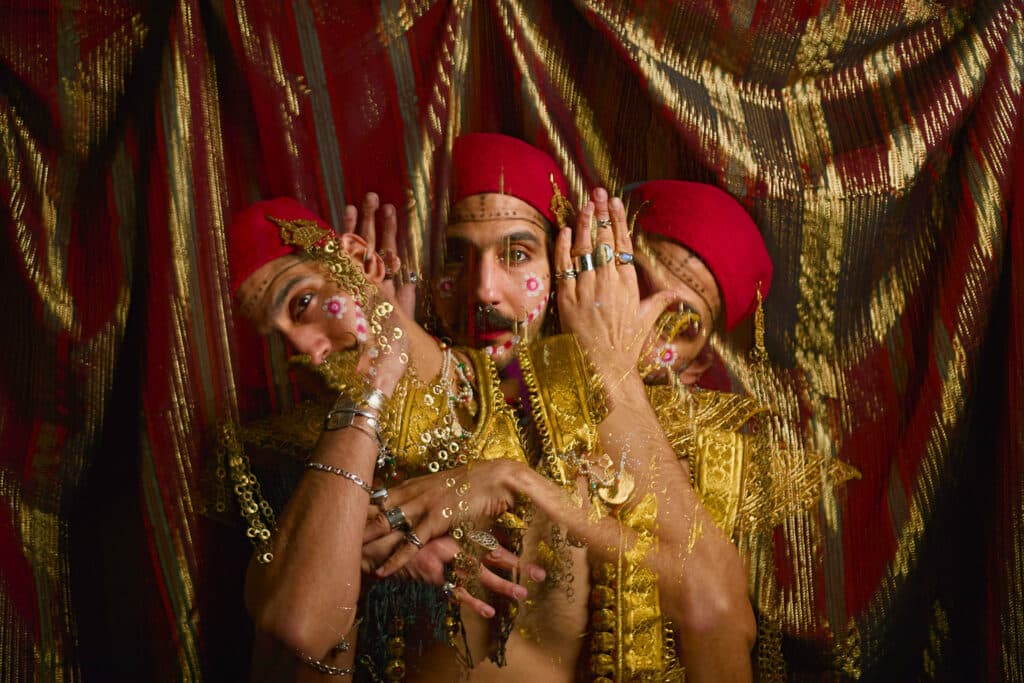
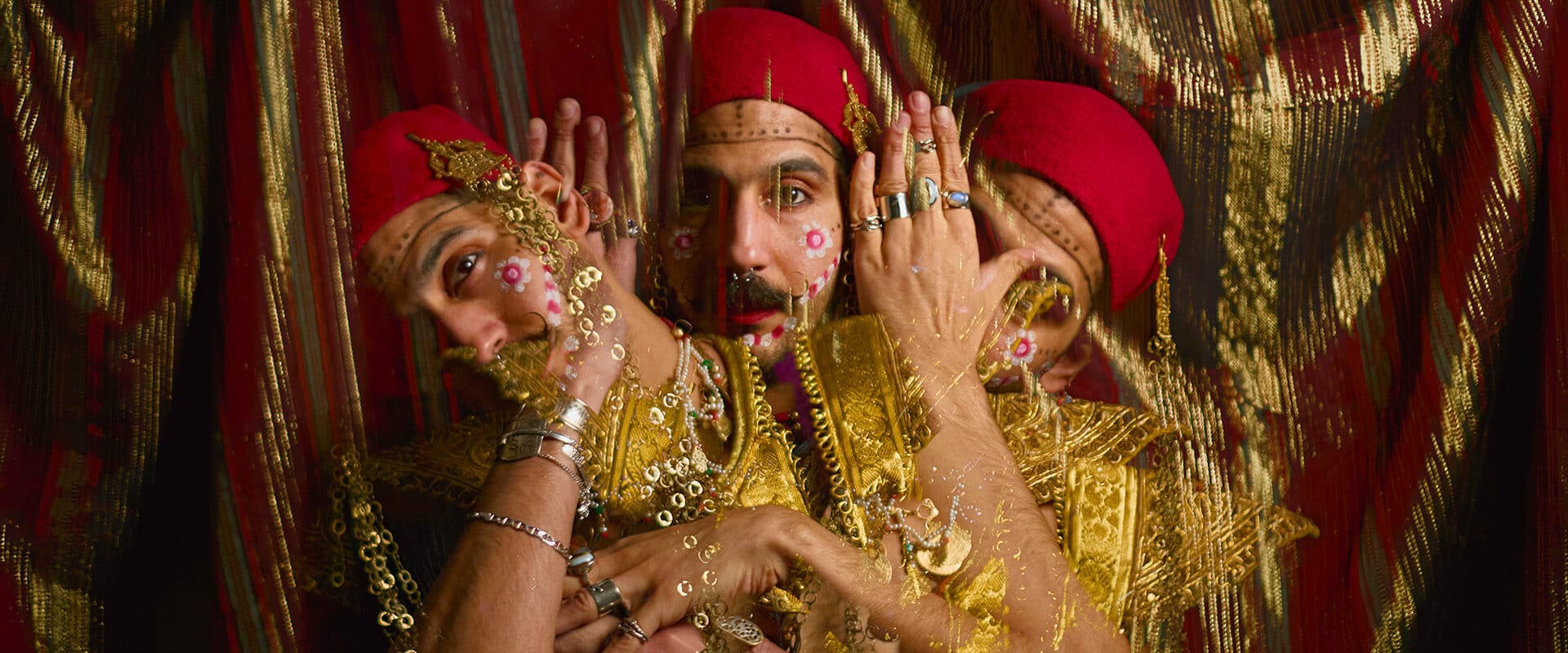
Achraf El Abed
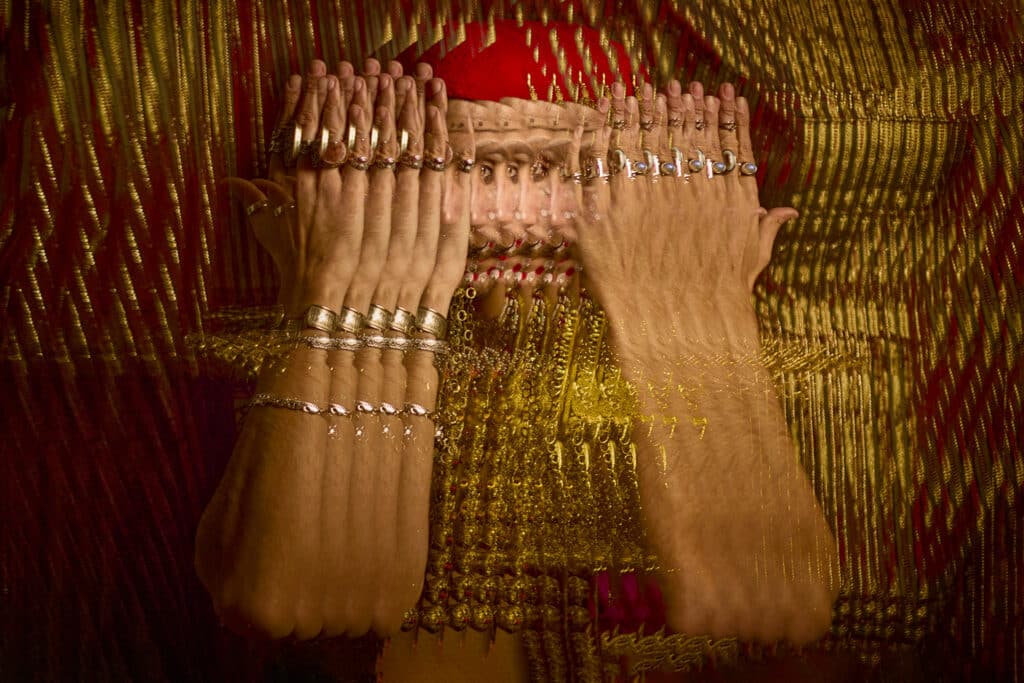
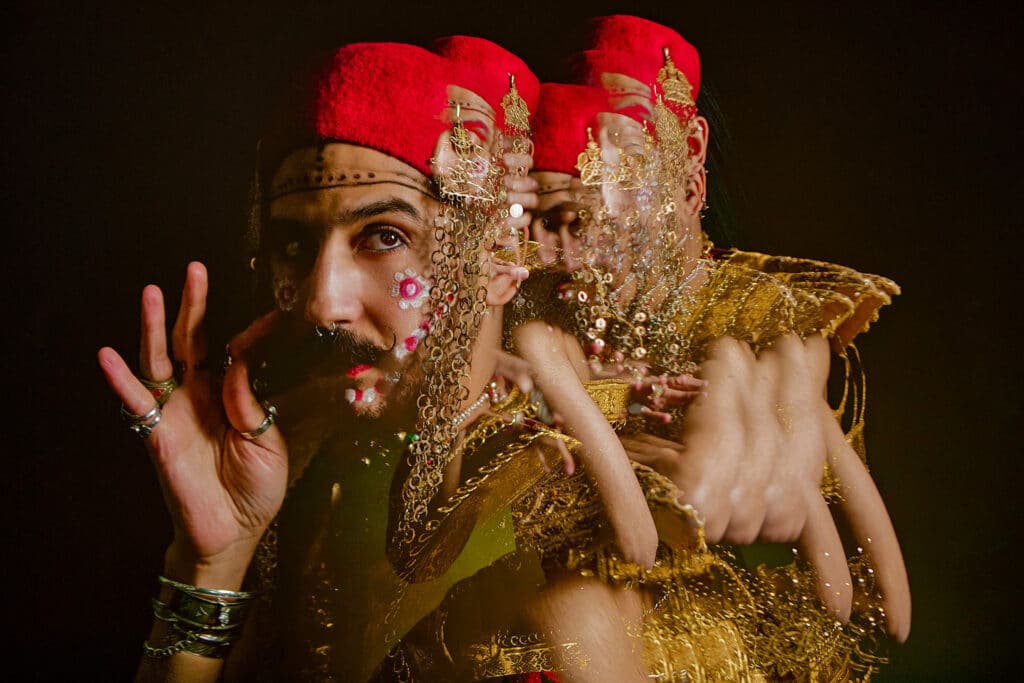
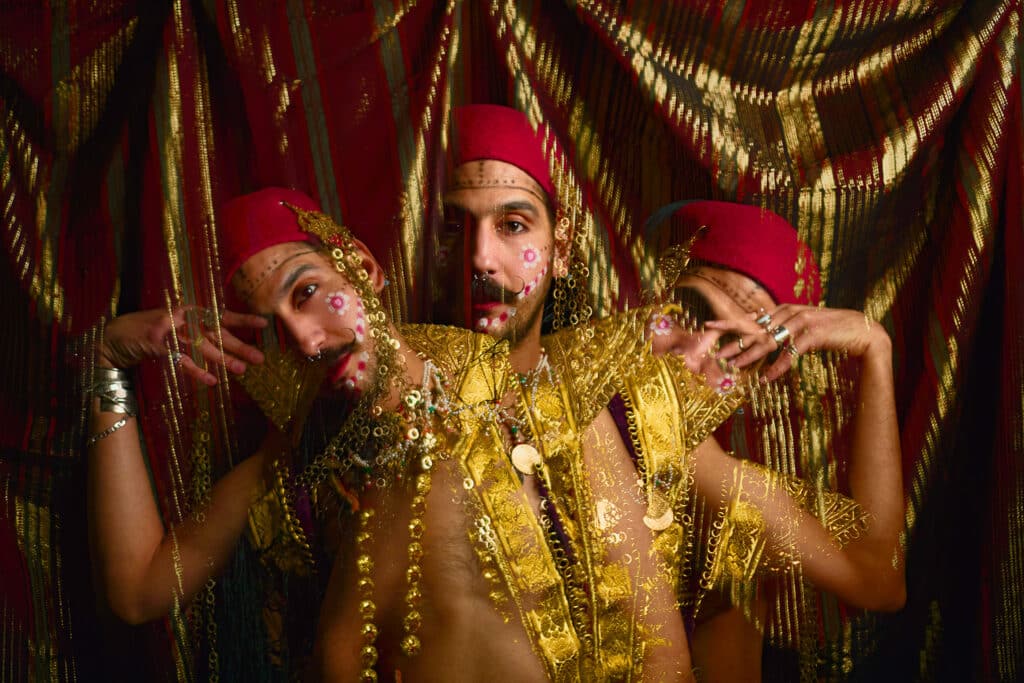
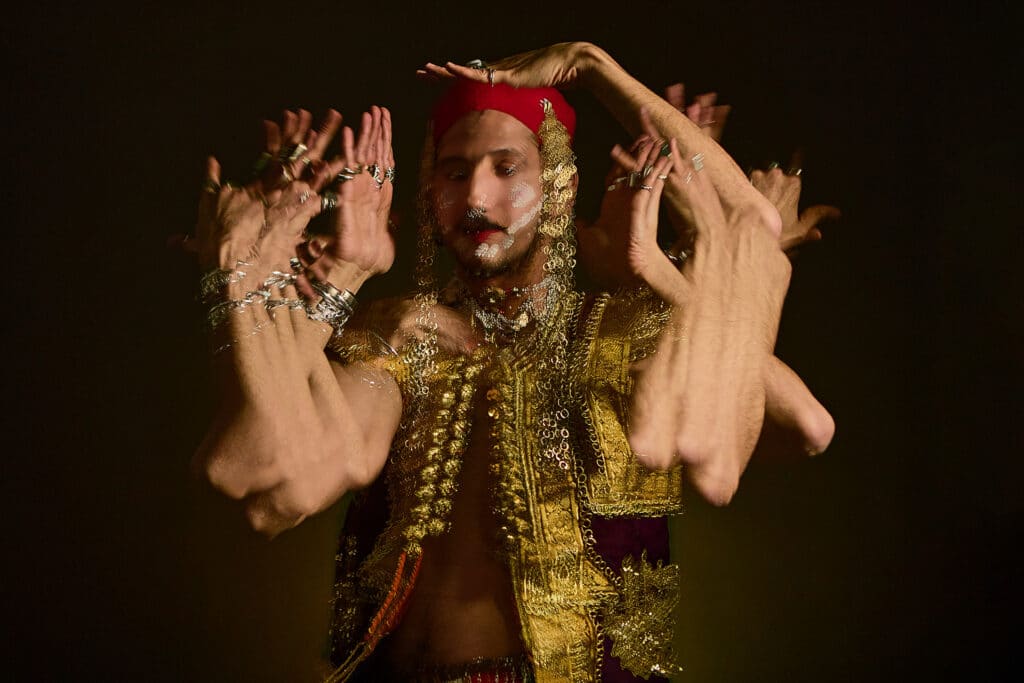
Howa walla heya d’aujourd’hui
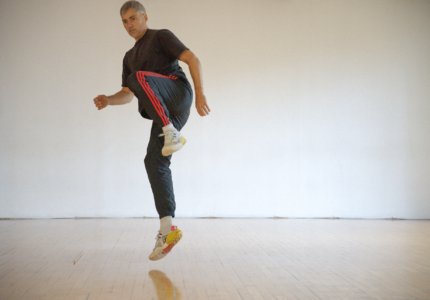
Howa walla heya d’aujourd’hui embodies rebirth. Caught between country of origin and land of exile, identity breaks down and takes a new form. Neither quite from here nor there, the artist learns to inhabit the in-between – between her and him – and to turn absence into presence, movement into a new anchor. This solo explores وجيعة, a deep and multifaceted pain: leaving one’s country, living with HIV, discovering oneself after a rupture and across distance. Through the body, Howa walla heya molds fragmented identities into vulnerability and resilience, heritage and reinvention, masculine and feminine. Dancing becomes an act of healing where the flesh bears paradoxes.
French translation of the text in Howa walla heya d’aujourd’hui (PDF)


This project was supported by the Conseil des arts de Montréal and the Caisse Desjardins de la Culture as part of our “Donnez un coup de pouce, déplacez une montagne!” crowdfunding project on the La Ruche platform, a partner of Tangente.
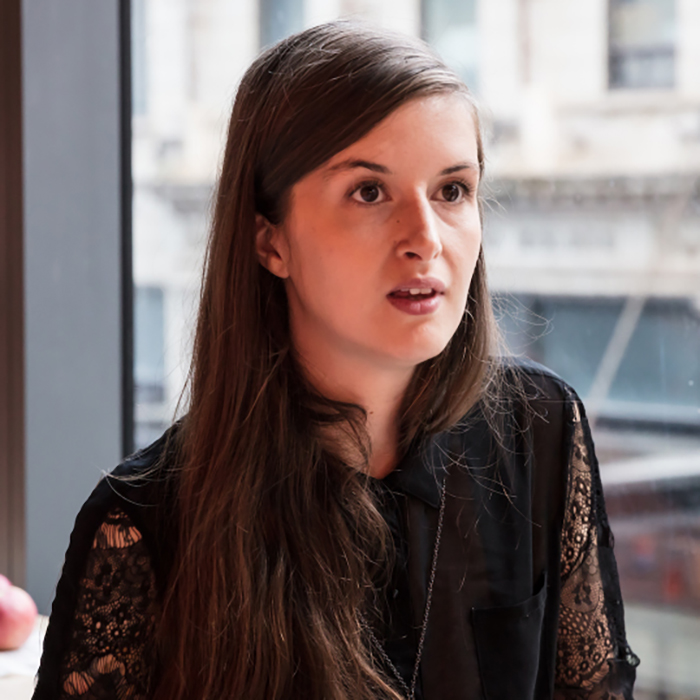
Achraf El Abed is a product designer by profession, and a dancer, choreographer and performer by passion. His artistic journey spans street jazz, modern jazz, contemporary dance and voguing, while remaining deeply rooted in Tunisian feminine folk dance and oriental dance. In Tunisia, he performed in notable productions, including Lasmer Tounsi, Nouba and Zine et Aziz, where he developed a choreographic language blending cultural heritage with contemporary creation. In 2019, he created his first solo show, Howa Walla Heya, presented at the opening of the Mawjoudin Queer Film Festival, exploring gender, identity and freedom through movement. In 2022, Achraf moved to Montréal, where he has continued performing and collaborating across cultural events, including Festival du Monde Arabe, Orientalys, Laylit, and Festival MURAL. Through his work, he builds bridges between cultures, identities and generations, using the body as a tool for transmission, resistance, and celebration.
Nader Hajri specializes in the creation, design and implementation of soundscapes for live performances. His work ranges from producing original audio content for dance events to the technical management of sound systems. Each project is built around precision in execution, musical coherence, and adaptation for the stage. As a DJ known as Nad_R, he has developed an advanced understanding of musical dynamics and ability to read the energy of an audience, which he integrates into his creations and sound design choices. In dance-related projects, he composes soundscapes conceived as an extension of movement, where sound structures, accompanies and intensifies the performance without dominating it. In event production, he ensures the coordination and reliability of the audio component, from preparation to execution in live conditions. His practice centers on creation, technical mastery, and the overall coherence of the live experience.
Zeyneb Raissi is a product designer and Tunis Institute of Fine Arts graduate with experience spanning design and contemporary art production. She served as production coordinator for Titled Frame, overseeing execution and cross-functional coordination, and as curator of Cluster of Matter, shaping the exhibition’s spatial and narrative experience.
A 2020 graduate of UQAM’s École supérieure de théâtre, Blanche-Alice Patchouli has distinguished herself on the Montréal arts scene through the versatility of her talent and her creative commitment. Her theatre career got off to a strong start with the Vernon Subutex trilogy, a play inspired by Virginie Despentes’s novels, adapted and directed by Angela Konrad, which was presented at Usine C in 2022 and 2024, as well as at Théâtre Le Diamant in Québec City. She also performed on stage at Théâtre Aux Écuries and Théâtre Prospero in Le grand lancement, a production created by the collective Les Bénés. She also had the opportunity to be part of the first cohort for the Théâtre du Nouveau Monde auditions, which took place in 2023. She is currently a creative actor with the youth theatre company Théâtre à l’Envers, where she is exploring new techniques such as puppetry, masked theatre, shadow theatre, and directing.
Originally from France and based in Montréal for nearly ten years, Clémence Clara is a dancer, designer, and photographer. Her multidisciplinary background has shaped a sensitive and unique perspective, at the intersection of the performing arts and visual arts. Formerly a record store clerk, she maintains a deep connection to music, which serves as the anchor of her artistic practice. Guided by intensity, musicality and emotion, she has developed an approach in which every image and every movement contributes to telling a story. She is active in Montréal’s street dance scene, where she has developed a practice rooted in freestyle and musicality. She primarily practices popping and flamenco, two dance forms whose precision, rhythm and expressive power enrich her artistic language. Inspired by cinema, poetry and her travels, she pays particular attention to the atmospheres, narratives and details that shape a work. Her perspective, both choreographic and visual, allows her to guide creative processes with unique sensitivity, bringing out the coherence between movement, musicality, imagery, and artistic intent.
This performance explores memory, desire and resistance through movement, honouring my ancestors and the stambeli spiritual heritage of my childhood. Central to the work is Tanit – an ancient North African goddess that opens a reflection on femininity, the sacred, and freedom – reimagined through the imagery of a traditional Tunisian wedding.
The show also investigates sexuality within traditional Tunisian dance, uncovering hidden narratives of desire, power and transgression embedded in gestures passed down through generations. Situated between heritage and reinvention, it invites audiences to reconsider what traditions carry and conceal.
The work is dedicated to queer people in Tunisia, honouring their resilience against systems of erasure. By invoking figures like the Bacha Bazi and other historically marginalized bodies, I seek to recover forgotten memories and celebrate those who persist in the face of suppression.
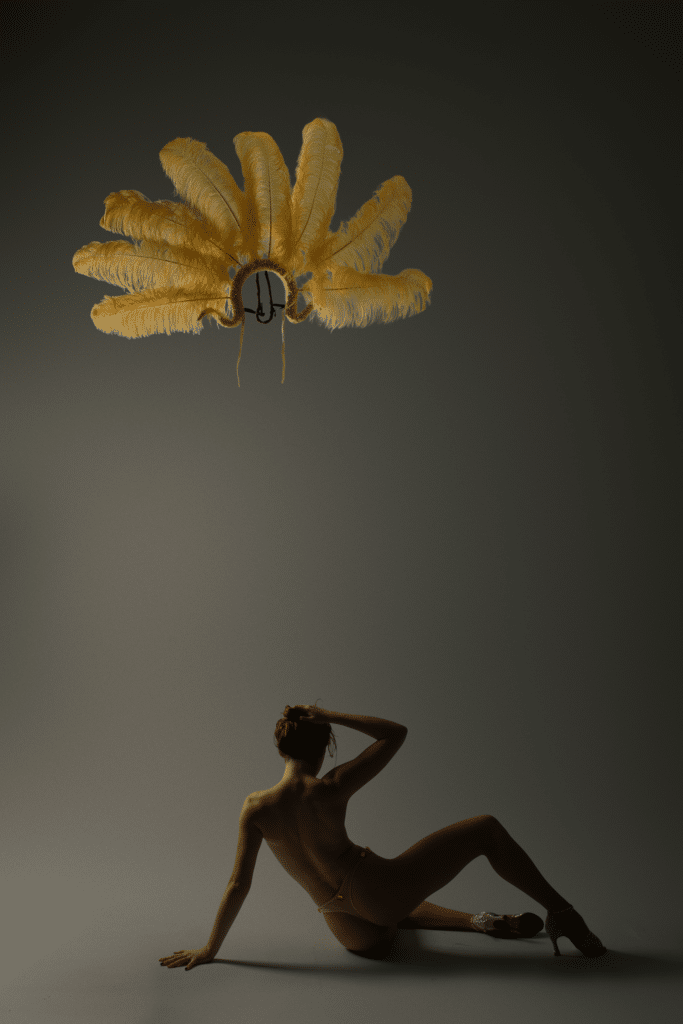
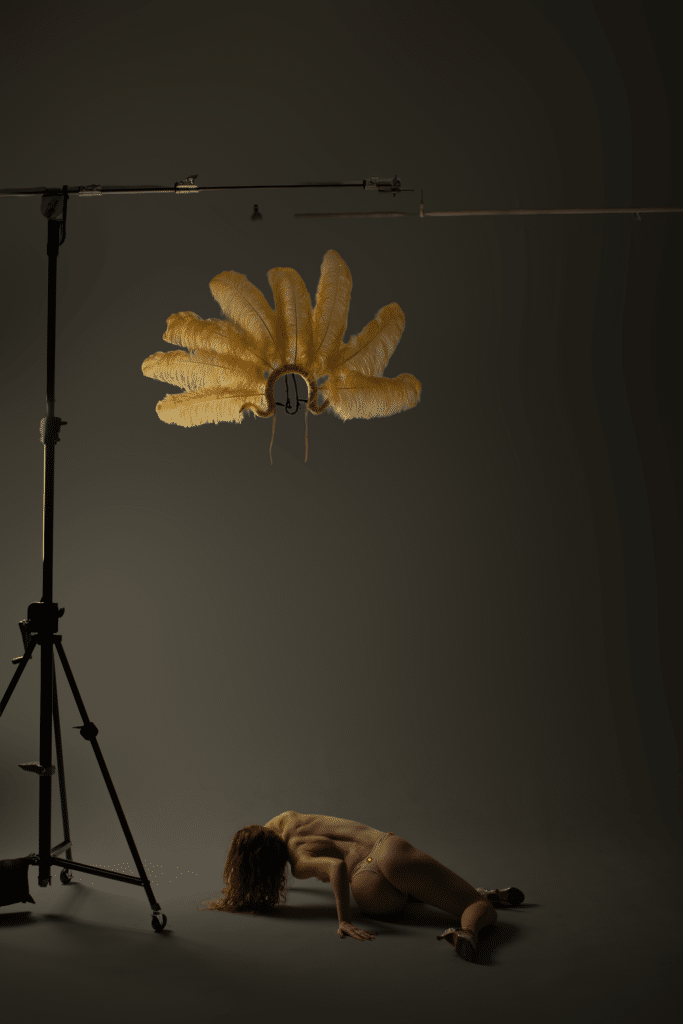
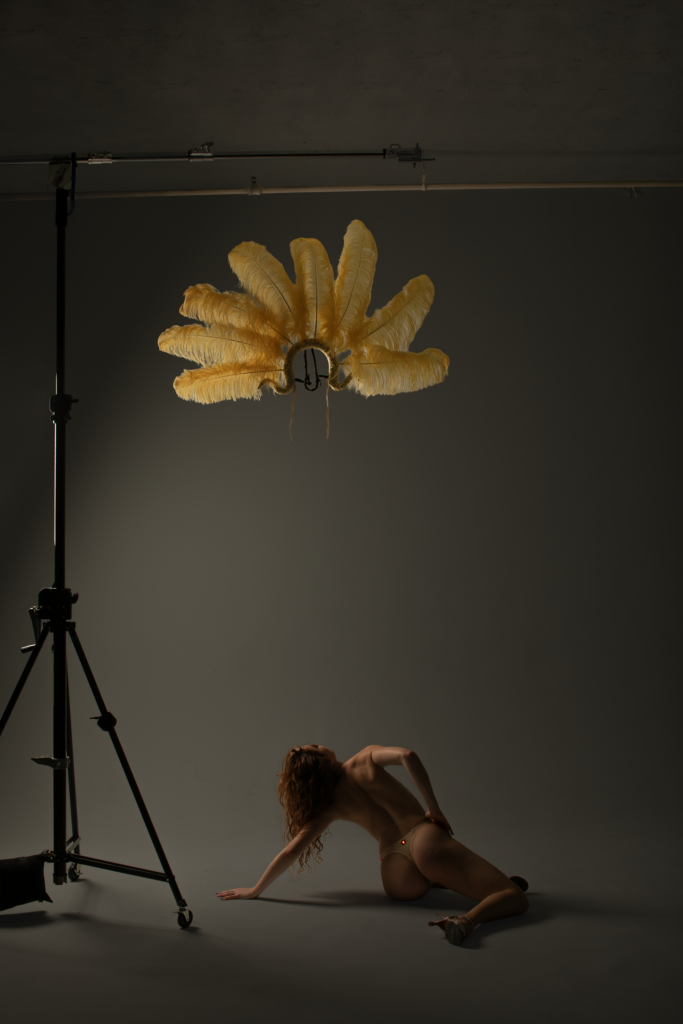
Kaia Portner
Capital Erotica
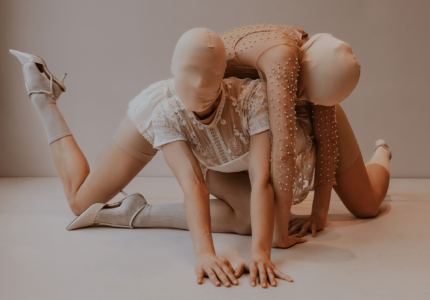
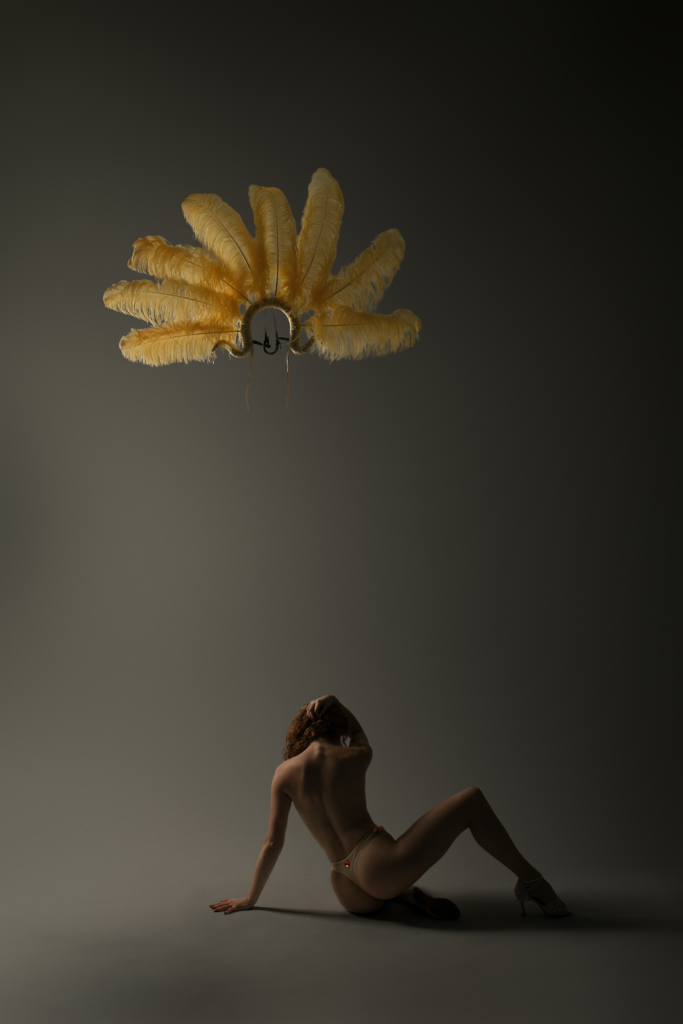
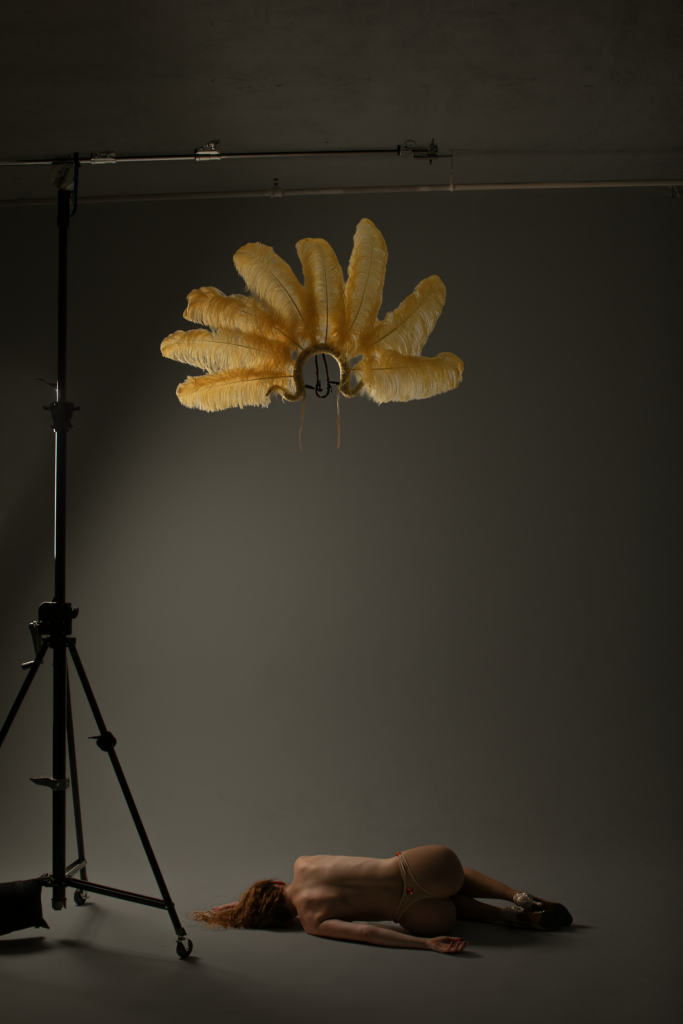
A fantastical illusion, the showgirl emerges from economic tensions and sensual exertion. In a performance where glamour and vulnerability intertwine, Capital Erotica explores the deconstruction of the codes of burlesque and go-go dancing, desire as a hybridized contemporary state, and femininity as a navigation system through the tension between intimacy and power. Reflecting on a practice based in Montréal’s nightlife, codified in historical archetypes, the cabaret and the DJ booth, this solo looks toward the personal and future implications of what it means to be a showgirl. Welcome to a world of metamorphosis where the body is a spectacle to be observed explicitly!


With the support of Conseil des arts et des lettres du Québec, Canada Council for the Arts
Residencies Maison de la culture Notre-Dame-de-Grâce, Studio Bizz
Thank you With special gratitude to the artists, collaborators, mentors and communities whose generosity, trust and creative spirit helped bring this project into being – notably Emily Gualtieri of PARTS+LABOUR, Kaia Mienna, and Orlanda Gagnon. Additionally, I want to thank all the wonderful and generous supporters of Capital Erotica: Liam Gover & Studio 303, Maison de la culture Notre-Dame-de-Grâce, Santiago Lopez-Alzate & CCOV, and Tangente.
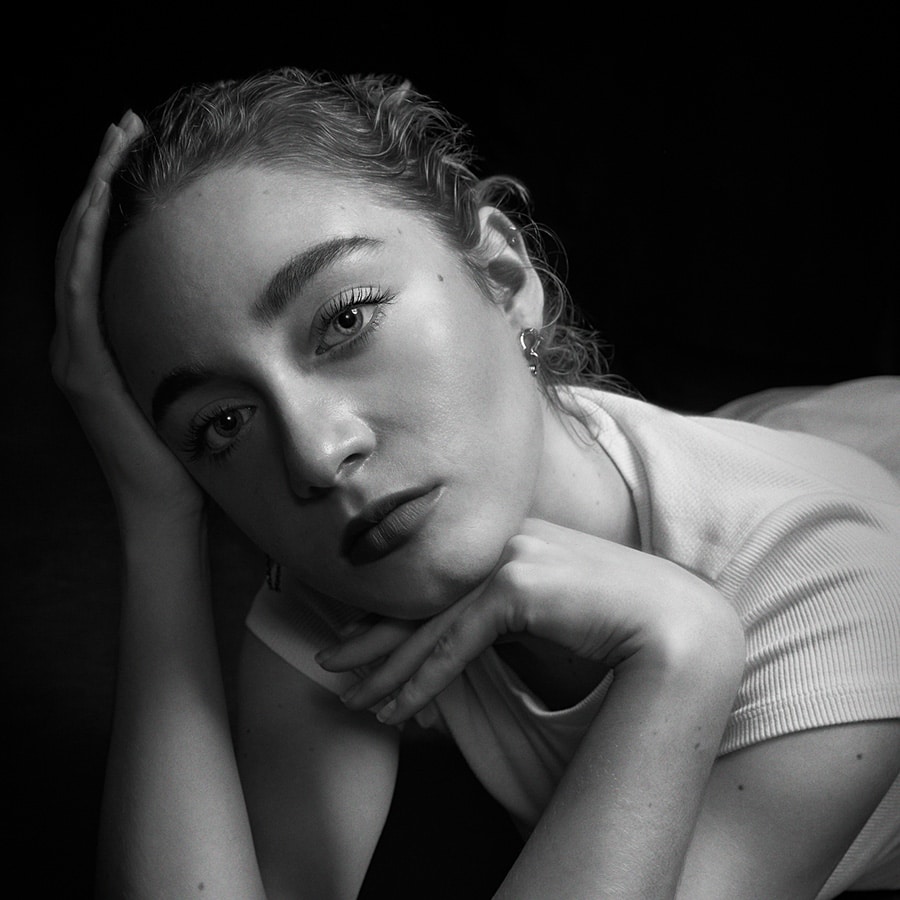
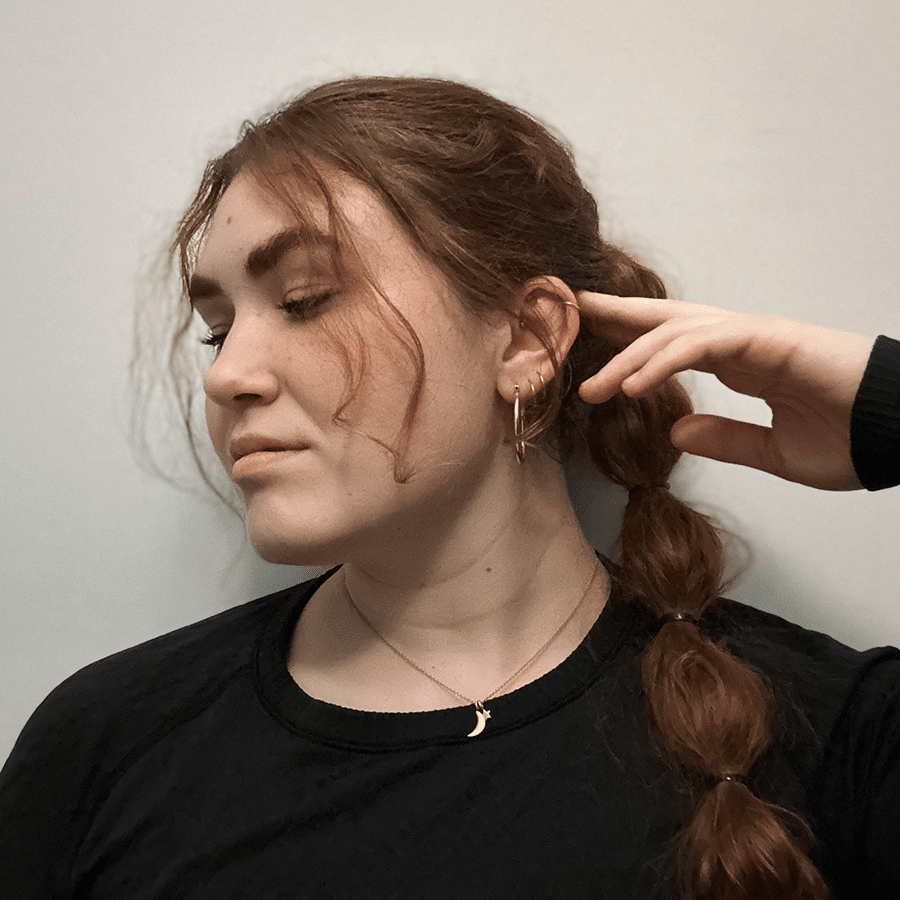
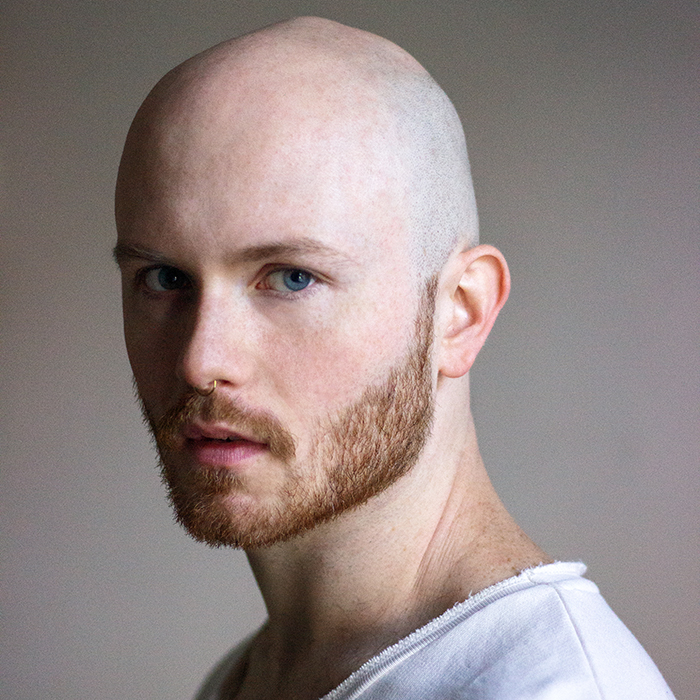
Kaia Portner is a Montréal-based dancer, choreographer and showgirl performer whose practice bridges contemporary dance, burlesque, and nightlife performance. She holds a BFA in Contemporary Dance and Choreography from Concordia University. Her choreographic work situates showgirl performance as a cultural magnifying glass. Through heightened aesthetics and choreographic precision, Kaia examines how bodies are consumed, celebrated and politicized across stage and nightlife environments. Her most recent solo work, Capital Erotica, was presented by Tangente as part of Danses Buissonnières in 2024. She has also presented excerpts of her choreographic research I’m-Pulse at Studio 303’s Marathon, and in collaboration with Art Volt x POP Montréal. These works reflect her ongoing interest in liminality, the performance ritual, and the body as both spectacle and agent of disruption. Kaia’s artistic identity is deeply intertwined with her showgirl persona, Nomi Nova, developed through extensive experience in Montréal’s nightlife, including at eclectic venues such as Yoko Luna, Bordelle, La Voûte, The Wiggle Room, La Nuit Shanghai, and Cabaret de Curiosités. This sustained engagement with the nightlife industry informs her choreographic approach, allowing entertainment and critical inquiry to coexist within her work. Alongside her choreographic practice, Kaia collaborates widely across disciplines, contributing to live and screen-based performances. Notable collaborations include Beli for Osheaga 2025, K. Maro, Maze, France Castel, and Xela Edna. Her commercial credits include dancing and modelling for Brown’s Shoes Winter 2024 campaign. In addition to performing, Kaia teaches Sensual Flow and Heels based classes at Studio Bizz, fostering embodied awareness, agency and sensual movement within an inclusive and supportive environment.
Alexis Leroy-Pleshoyano aka Mada Mada is a Montréal-based artist whose music merges pop and alternative influences into richly textured, dreamlike soundscapes. A film composer by trade, his cinematic sensibility shapes every aspect of his songwriting and arrangements, where each layer is carefully crafted for emotional impact. With three EPs and a recent appearance at Vue sur la Relève, Mada Mada continues to carve out a distinct space in the indie music scene. He also works as a director (Sandrine St-Laurent, J.A.M., Miro, Claudia Bouvette, and the animated feature Butterfly Tale), and has worked on films such as Les chambres rouges.
The process began by referencing Victor A. Turner’s Liminality and Communitas, where concepts of transformative rituals are explored in social identities. By leading with three distinct phases – separation, liminality, and aggregation – Turner’s text becomes a relevant structure for the choreography. As I reflect on the act of metamorphosis, I am fascinated by how our cultural and erotic desires are mirrored in the trends we seek in live entertainment. This framework is not only structural but conceptual. Turner’s stages allow me to examine the sociocultural implications of sensuality as power, the audience-performer contract, and the ways performance spaces mediate intimacy. Liminality becomes a tool to interrogate, embody and recontextualize a burlesque performance through an extended format, more extensive costume research, and a morphing identity for my showgirl persona, Nomi Nova.
Production support for Kaia Mienna, rehearsal director for Kaia Portner, provided by